







 CN
CN

 HOME
HOMEWhy Is Heat Insulation Treatment Required For Hot Melt Glue Reactor? | JCT Machinery
 Dec 27,2025

 JCT
JCT
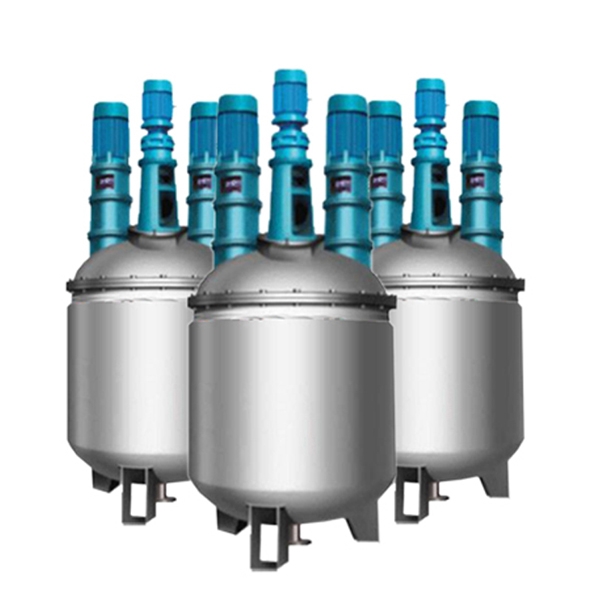
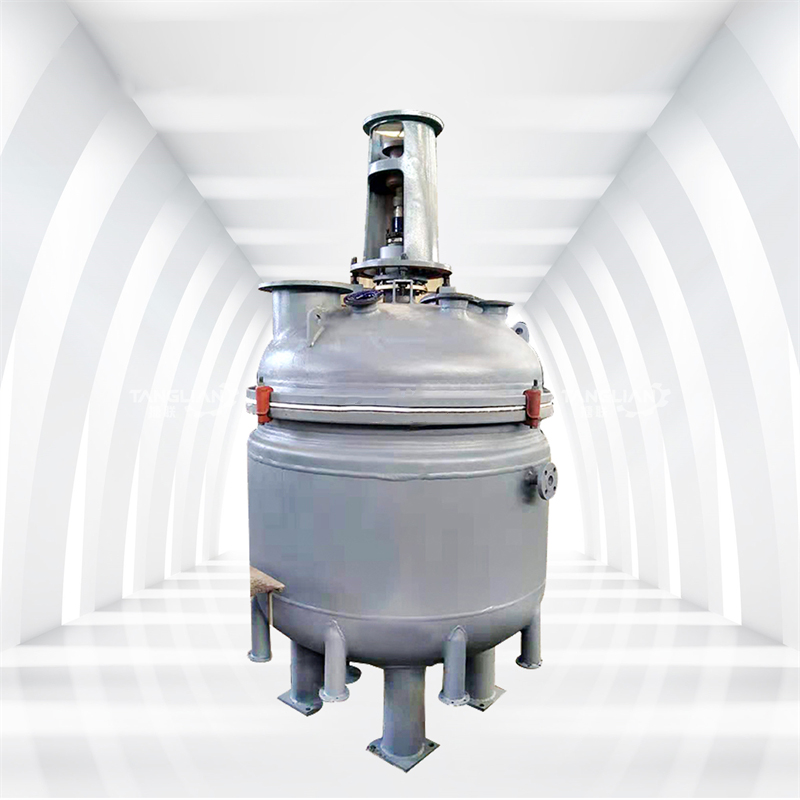
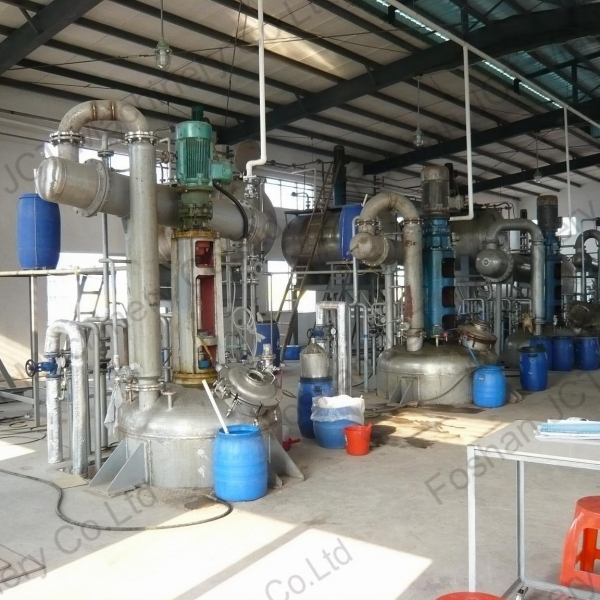
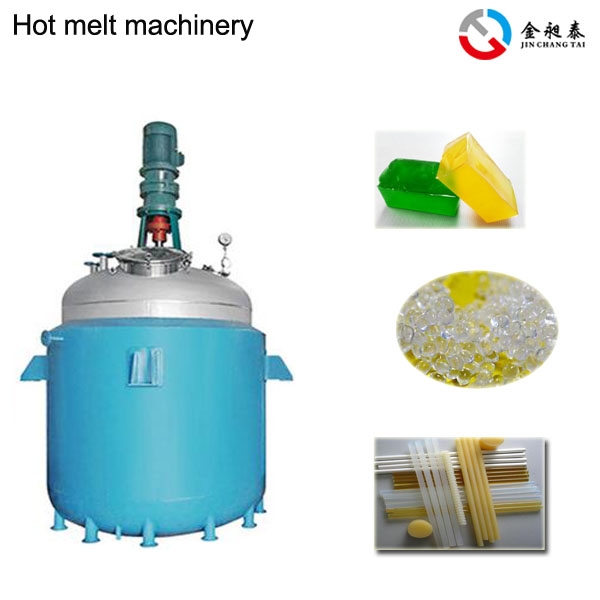
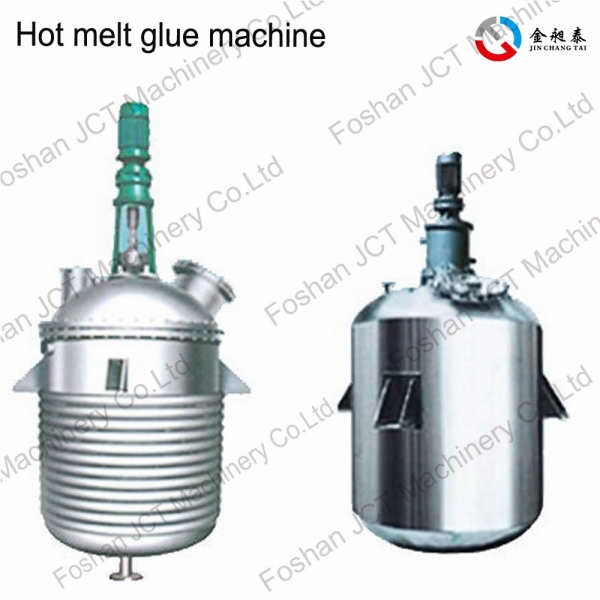
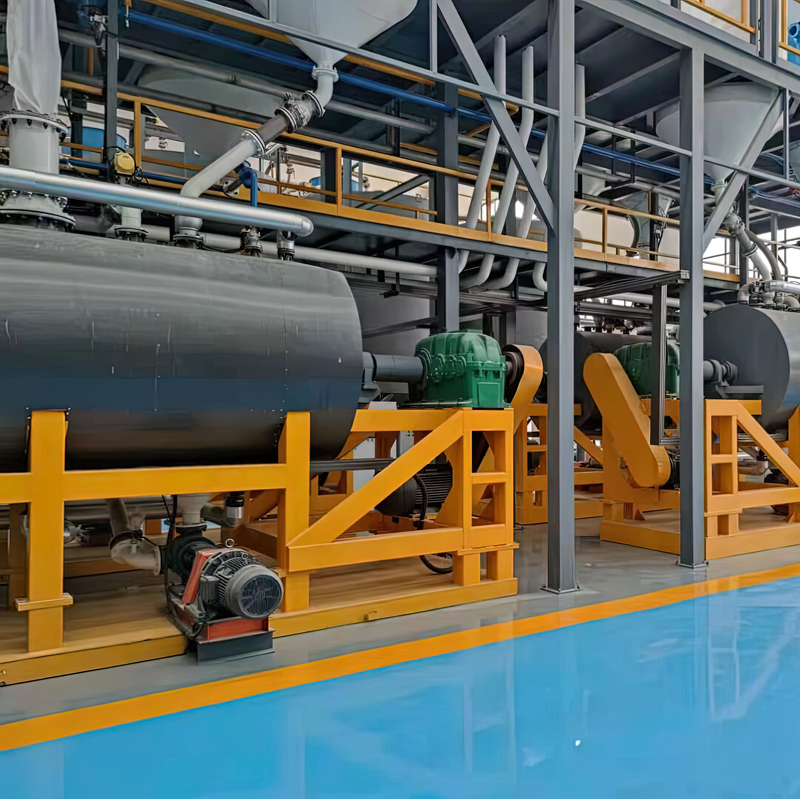
The outer layer of reactor used for producing hot melt glue is covered with insulating cotton, which is not a simple "anti-scalding design", but is closely related to process stability, product quality, energy consumption control and safe production.
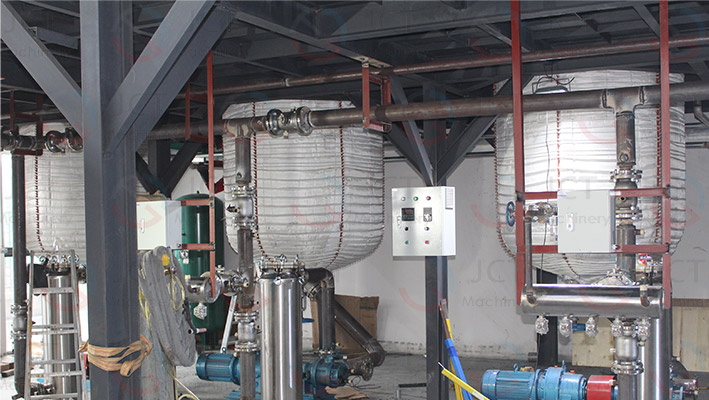
1. Maintaining a stable reaction temperature is crucial for ensuring the quality of hot melt glue
Hot melt glue is highly temperature-sensitive, and reactor typically require continuous heating within a range of 140-200℃ (or even higher).
The purpose of covering with insulating cotton is:
- To reduce heat loss
- To maintain a uniform and stable temperature within the reactor
- To prevent localized cooling that can lead to: incomplete resin melting, viscosity fluctuations, and unstable finished product performance (decreased initial tack and cohesion)
2. Improve energy efficiency and reduce operating costs
If the reactor is exposed:
- A significant amount of heat is lost to the air.
- The heating system requires frequent reheating.
- Energy consumption increases significantly.
After adding inculation:
- Effectively reduce heat loss (energy consumption can be reduced by 15-30%).
- Heating is faster and heat retention is longer.
- Long-term operation saves a significant amount of electricity or heat transfer oil costs.
Particularly important for continuous hot melt glue production line.
3. Preventing coking or degradation of materials due to temperature differences
Lower or fluctuating local temperatures within the reactor can easily lead to:
- Material adhesion and coking on the reactor walls
- Local overheating causing thermal degradation, yellowing and unpleasant odors
Insulation cotton can:
- Reduce the temperature difference between the inside and outside of the reactor
- Improve the overall thermal unifomity
- Extend the service life of the equipment and materials
4. Enhance safety and prevent high-temperature burns
The outer wall temperature of hot melt glue reactor is extremely high. Without insulation, the outer surface temperature can reach over 150℃, posing a serious risk of burns.
The safety functions of insulation cotton:
- Reduce the outer wall surface temperature
- Enhance the workshop safety level
- Comply with industrial safety and CE/ISO standards
5. Improves production environment and workshop comfort
High-temperature reactors without insulation will: release excessive heat into the workshop, leading to excessively high ambient temperatures, affecting operator comfort and equipment stability.
After covering with insulation cotton:
- Reduces workshop heat load
- Improves production environment
- Facilitates continuous and stable operation
The outer layer of hot melt glue reactor is covered with insulating cotton, which is a key design feature to ensure stable temperature, reduce energy consumption, improve product consistency and production safety, and is also an indispensable configuration for professional hot melt glue production line.
 About Printing Thickener Reactor | JCT Machinery
 You May Also Like


 Tel
Tel
 Email
Email
 Address
Donglian Jincheng Industrial Zone, Danzao Town, Nanhai District, Foshan City, Guangdong Province, China