





 CN
CN

 HOME
HOMEAbout Printing Thickener Reactor | JCT Machinery
 Dec 24,2025

 JCT
JCT
Printing thickeners are indispensable key auxiliaries in the textile printing and dyeing industry, widely used in processes such as reactive printing, disperse printing, and pigment printing. They are used to adjust the rheological properties of printing pastes, ensuring clear patterns and stable colors.
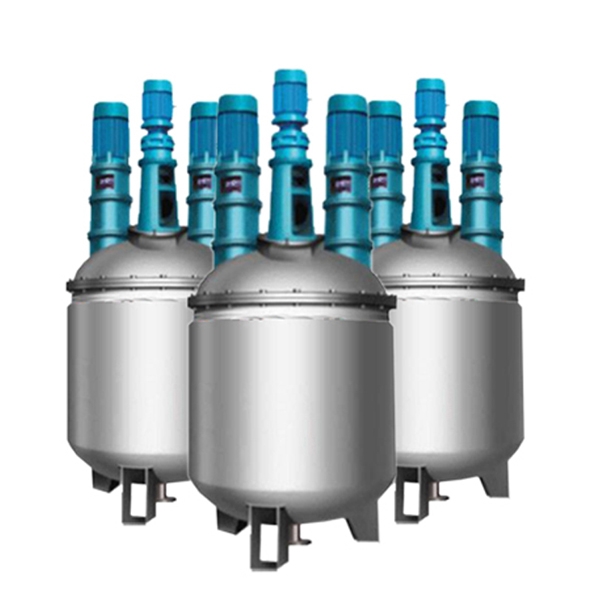
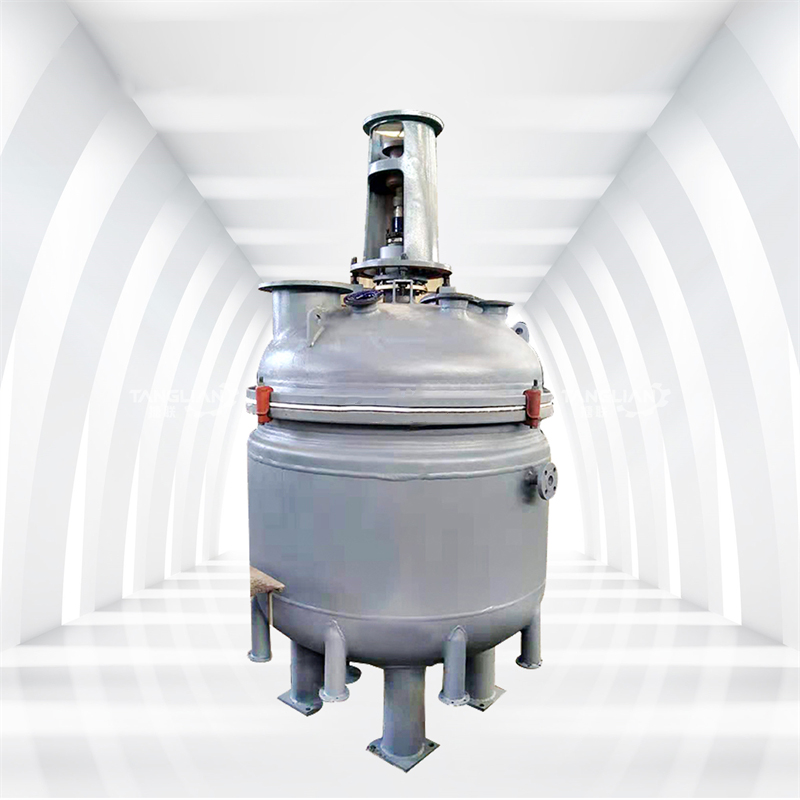
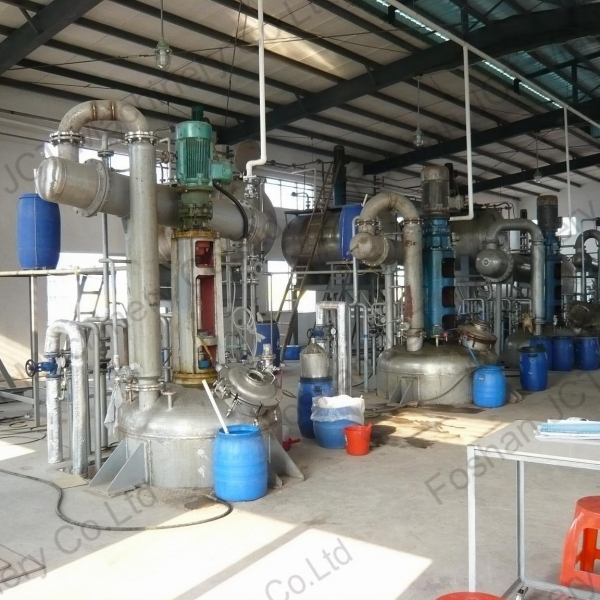
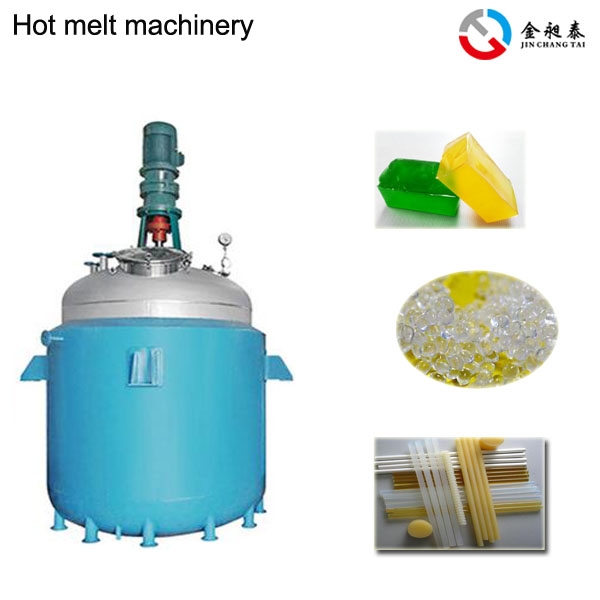
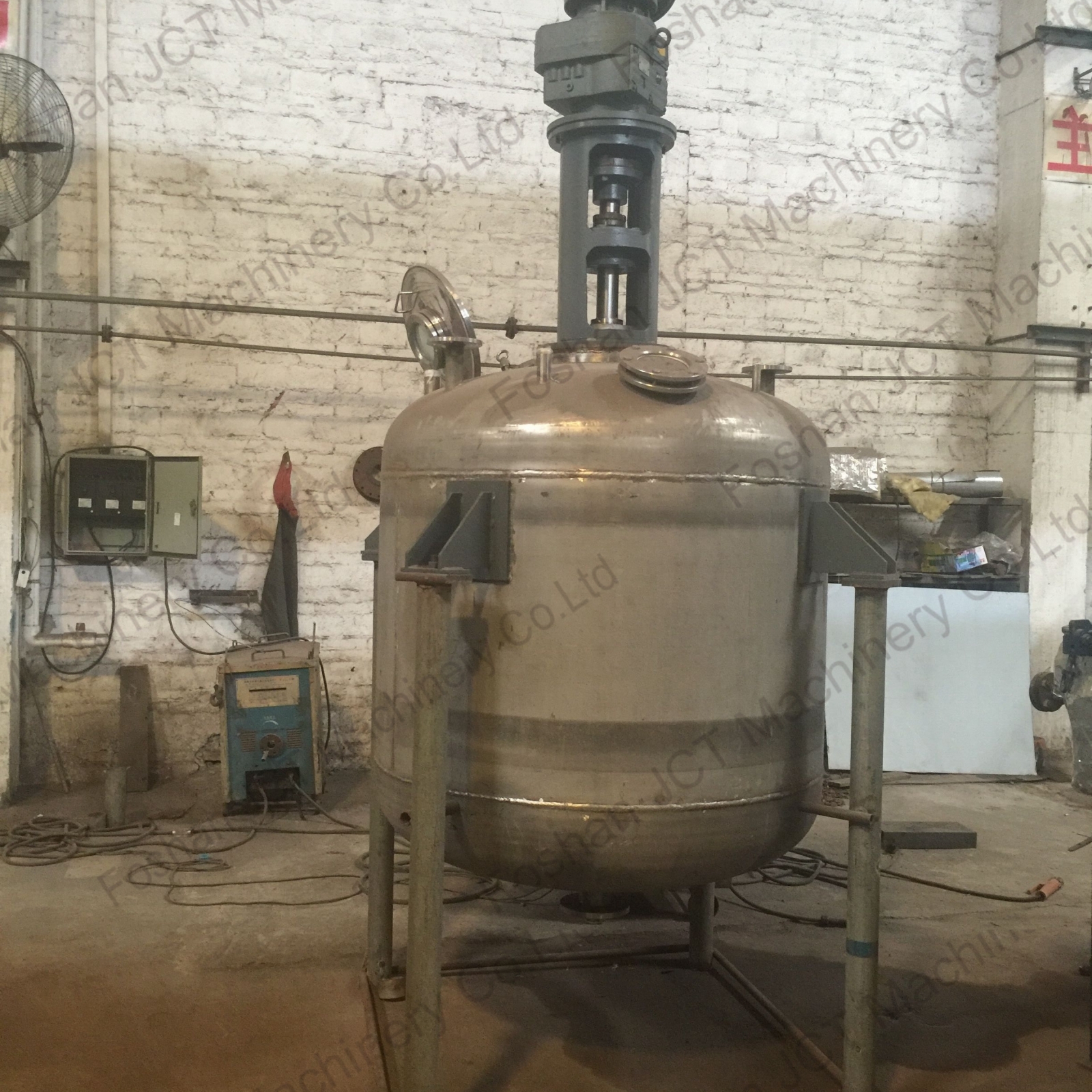
In the production process of printing thickeners, reactor is the core equipment. Its structural design and stirring performance directly determine the stability and batch consistency of the product.
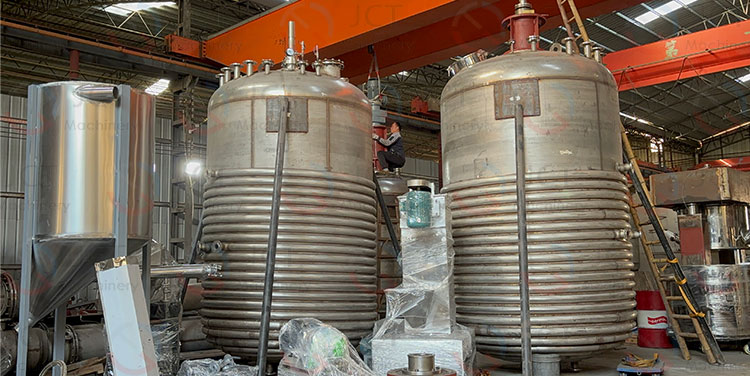
Core Requirements for Reactor in Printing Thickener Production
1. Excellent stirring and dispersion capabilities
Thickeners are mostly polymeric systems. During production, it's crucial to ensure that the powder or monomer can be rapidly wetted and evenly dispersed to prevent clumping and uneven concentration in certain areas.
2. Precise temperature control
Both synthetic and modified natural thickeners are highly sensitive to reaction temperature. Reactor must has an efficient jacketed heating and cooling system to ensure a controllable reaction process.
3. Adaptability to medium-to-high viscosity materials
As the reaction proceeds, the system viscosity increases significantly. Reactor's stirring structure must possess sufficient torque and low-speed stability.
4. Excellent sealing and cleaning performance
Preventing moisture evaporation and impurity contamination, while facilitating cleaning, suitable for multi-batch production with different formulas.
We have designed a dedicated reactor system for our printing thickener production line, with targeted optimizations in both structure and process:
- Reactor structure: Constructed with stainless steel or carbon steel lined with corrosion-resistant materials, it is adaptable to queous systems and weakly acidic/alkaline environments, ensuring long-term stable operation.
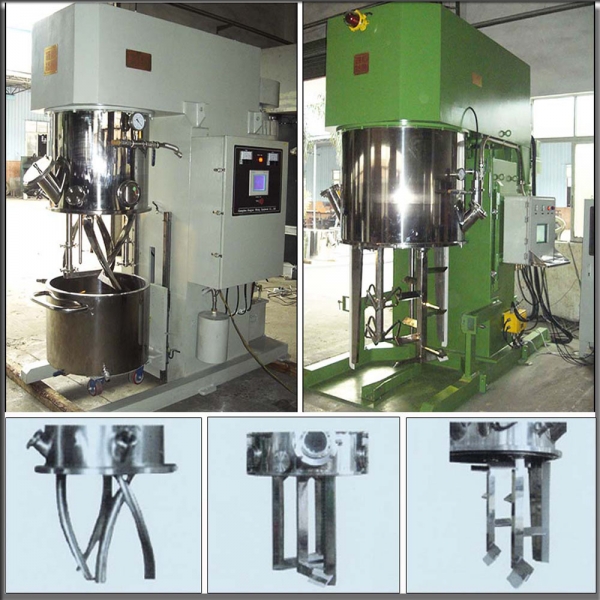
- Agitation system configuration: Depending on the type of thickener, it is configured with frame agitator, anchor agitator, or a combination agitator structure to ensure uniform mixing even at high viscosity stages.
- Temperature control system: Equipped with a jacketed or external coil heating/cooling structure, supporting steam, electric heating, or thermal oil system for precise temperature control.
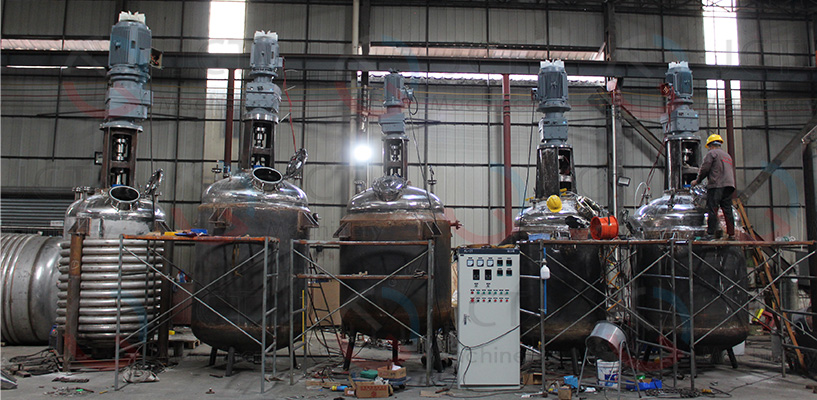
With thetextile printing and dyeing industry's increasing demands for printing quality and environmental performance, the stability and consistency of printing thickeners have become particularly important. Selecting a printing thickener reactor with a reasonable structure, reliable stirring and precise temperature control is a crucial step in establishing a high-quality thickener production line.
 Why Is Heat Insulation Treatment Required For Hot Melt Glue Reactor? | JCT Machinery
 You May Also Like


 Tel
Tel
 Email
Email
 Address
Donglian Jincheng Industrial Zone, Danzao Town, Nanhai District, Foshan City, Guangdong Province, China